evolutionary landscapes
Architecture Design
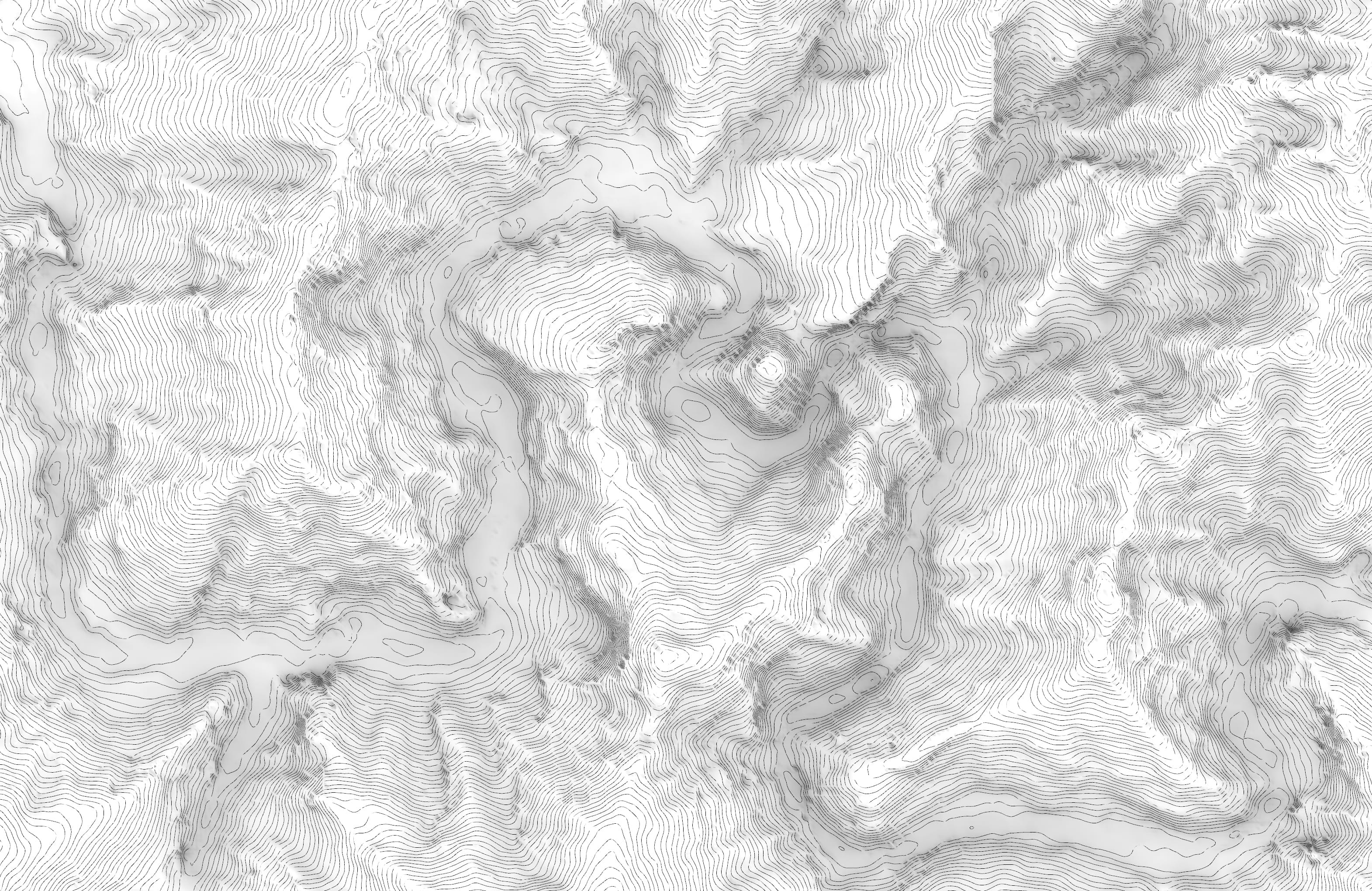
Evolutionary Landscapes explores how computational tools specifically evolutionary algorithms can shape and manipulate landform design. Using Machu Picchu as the case study, the project analyzes the site’s slopes, runoff, elevation, and environmental conditions to generate digital terrain variations. Through iterative algorithmic processes, the landscape is transformed using geometric operations such as spheres, triangles, squares, and heptagons to test how different forms influence the topography.
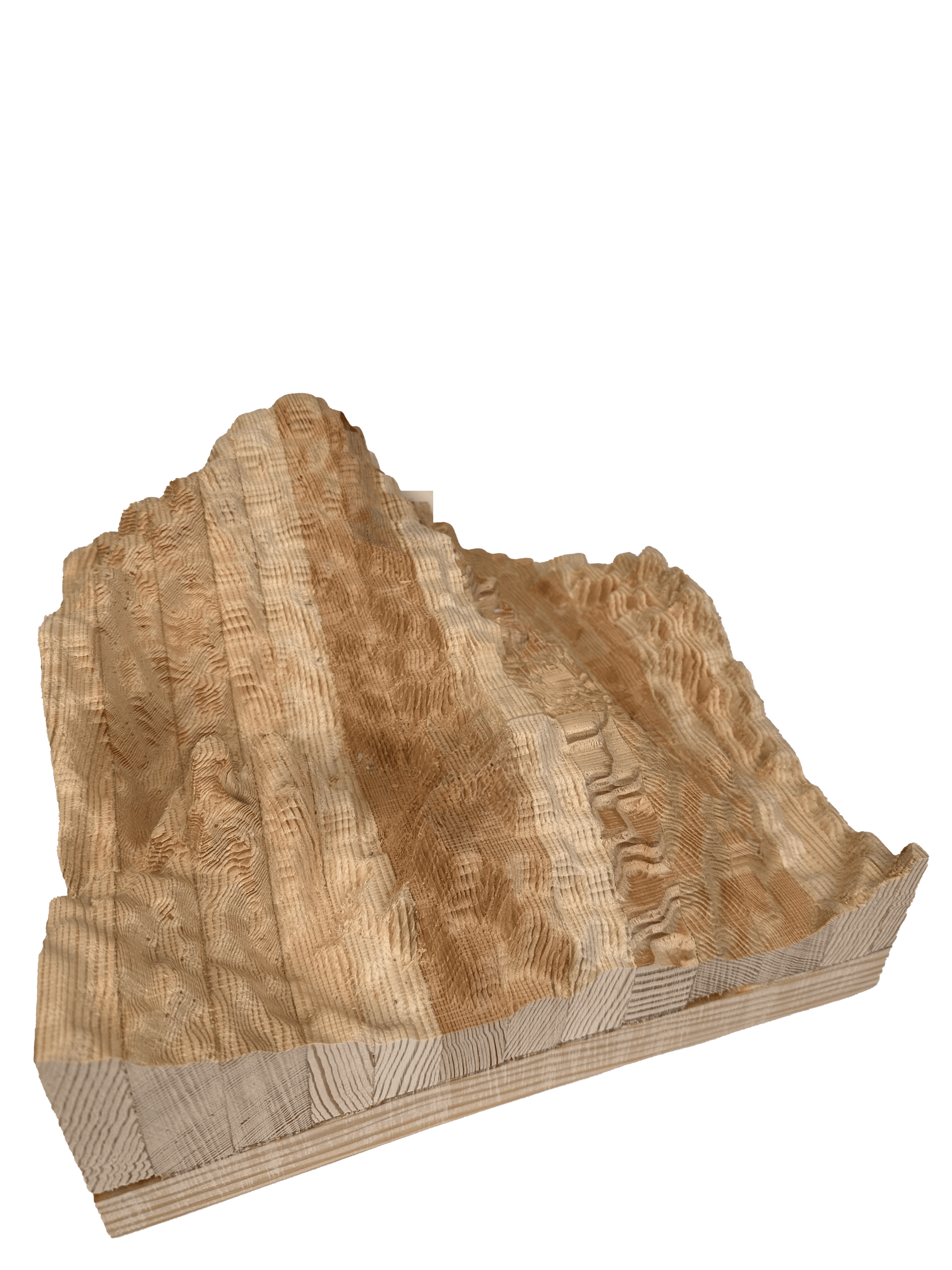
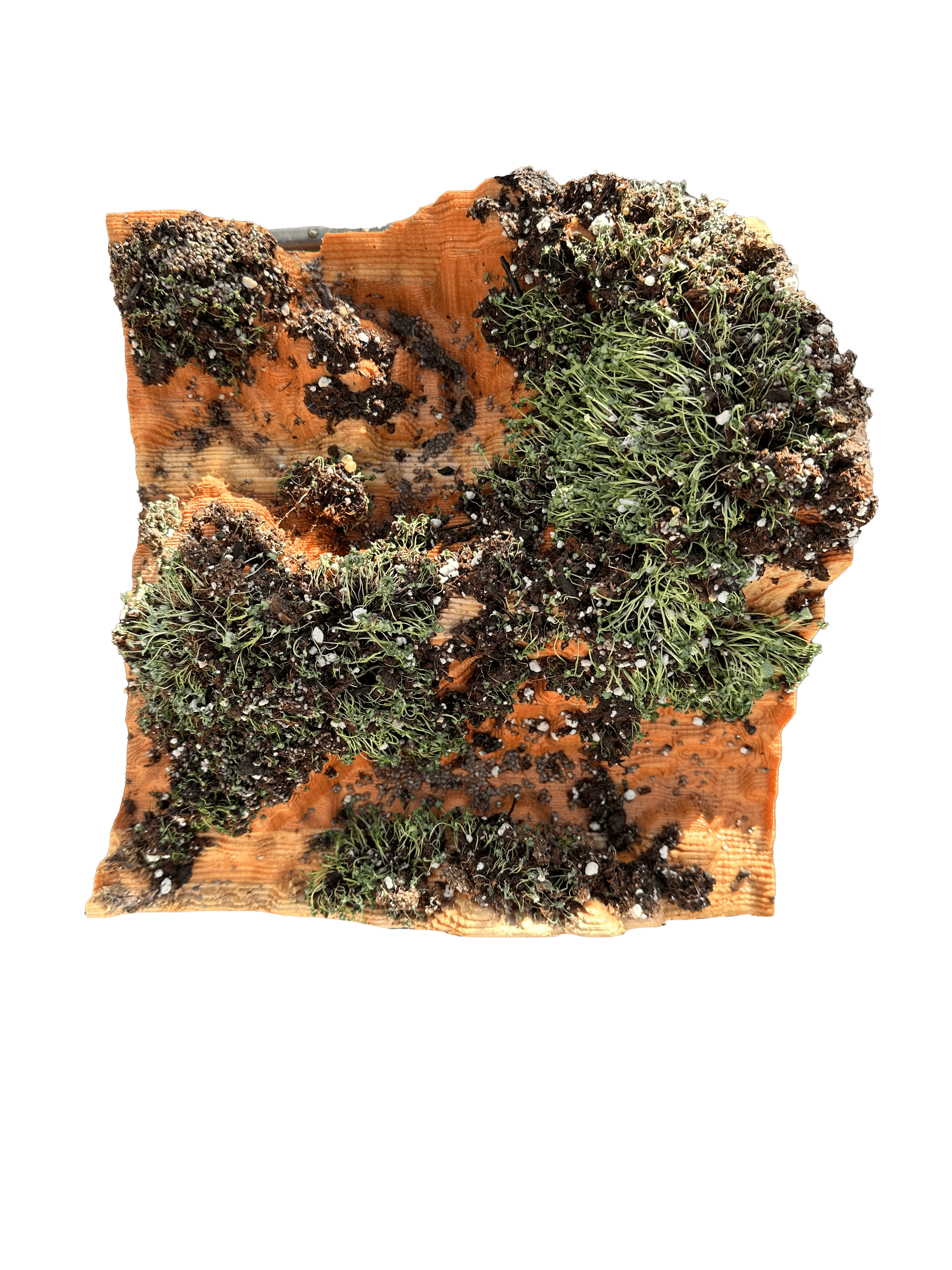
The project moves from digital modeling to physical fabrication through a CNC-cut CLT model. Chia seeds are planted on the physical landscape to observe how natural systems respond to the altered terrain, revealing how vegetation interacts with modified slopes and surfaces. The work bridges environmental science, computational design, and ecological experimentation demonstrating how digital tools can guide real-world landscape strategies while highlighting the dynamic relationship between design interventions and natural growth patterns.
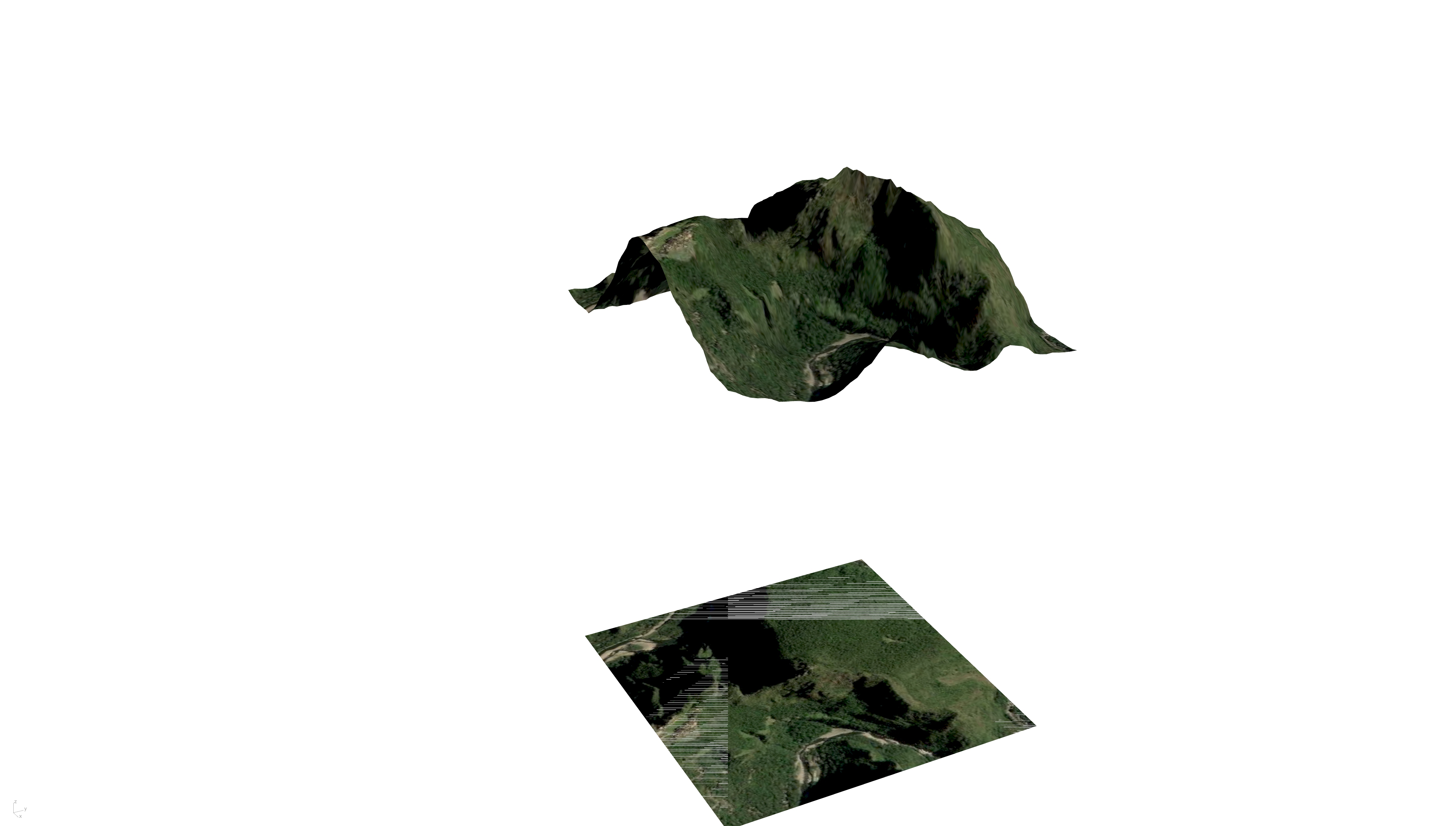
Machu Picchu, perched high in the Andes of Peru, is defined by its dramatic mountains, lush cloud forest, and the Urubamba River winding through the valley below. The site contains exceptionally preserved Inca ruins, including temples and terraces, creating a landscape where nature and ancient architecture meet. It is a rich, layered environment xxsboth visually striking and deeply tied to human history making it an ideal setting for exploring the relationship between landform, culture, and design.
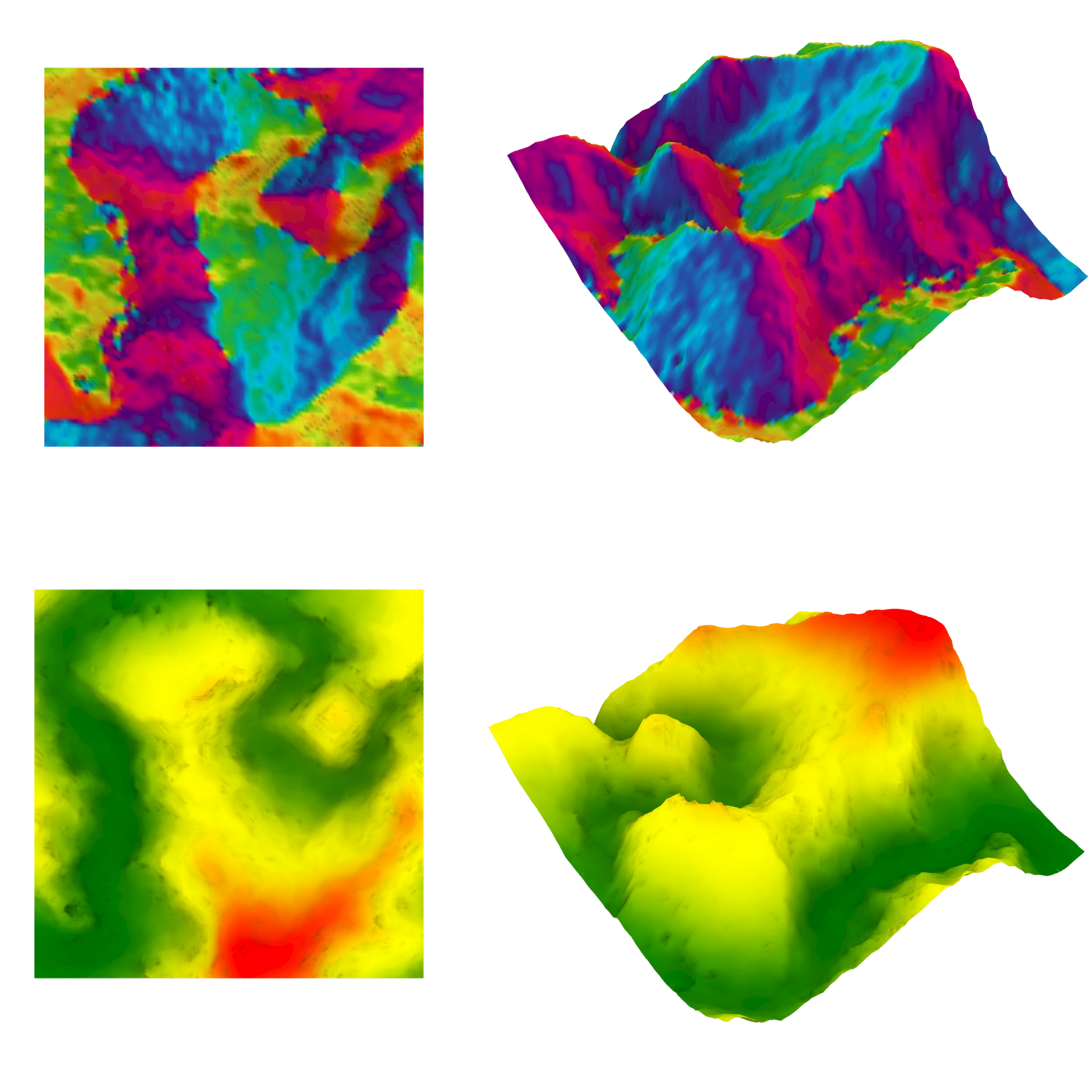
The aspect analysis identifies the direction each slope is facing north, south, east, or west revealing how sunlight and microclimates vary across the site.
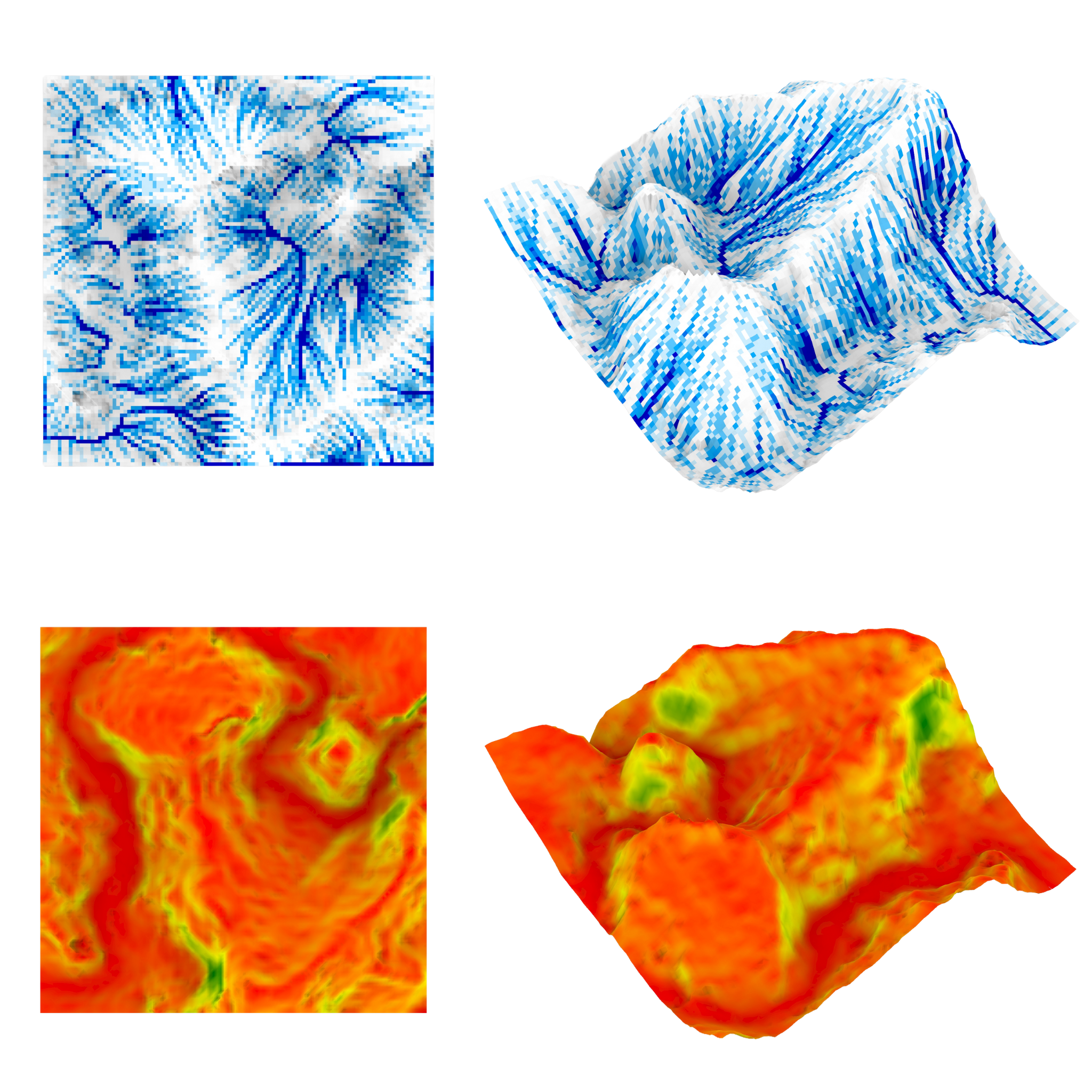
The runoff analysis examines how water flows over the terrain, highlighting areas of maximum, optimal, and minimal drainage.
The elevation analysis maps the height differences of the landscape, showing ridges, valleys, and overall topographic form.
Finally, the slope analysis evaluates the steepness of the terrain, distinguishing between steep, moderate, shallow, and flat areas to understand stability, erosion risk, and potential zones for vegetation or program placement.
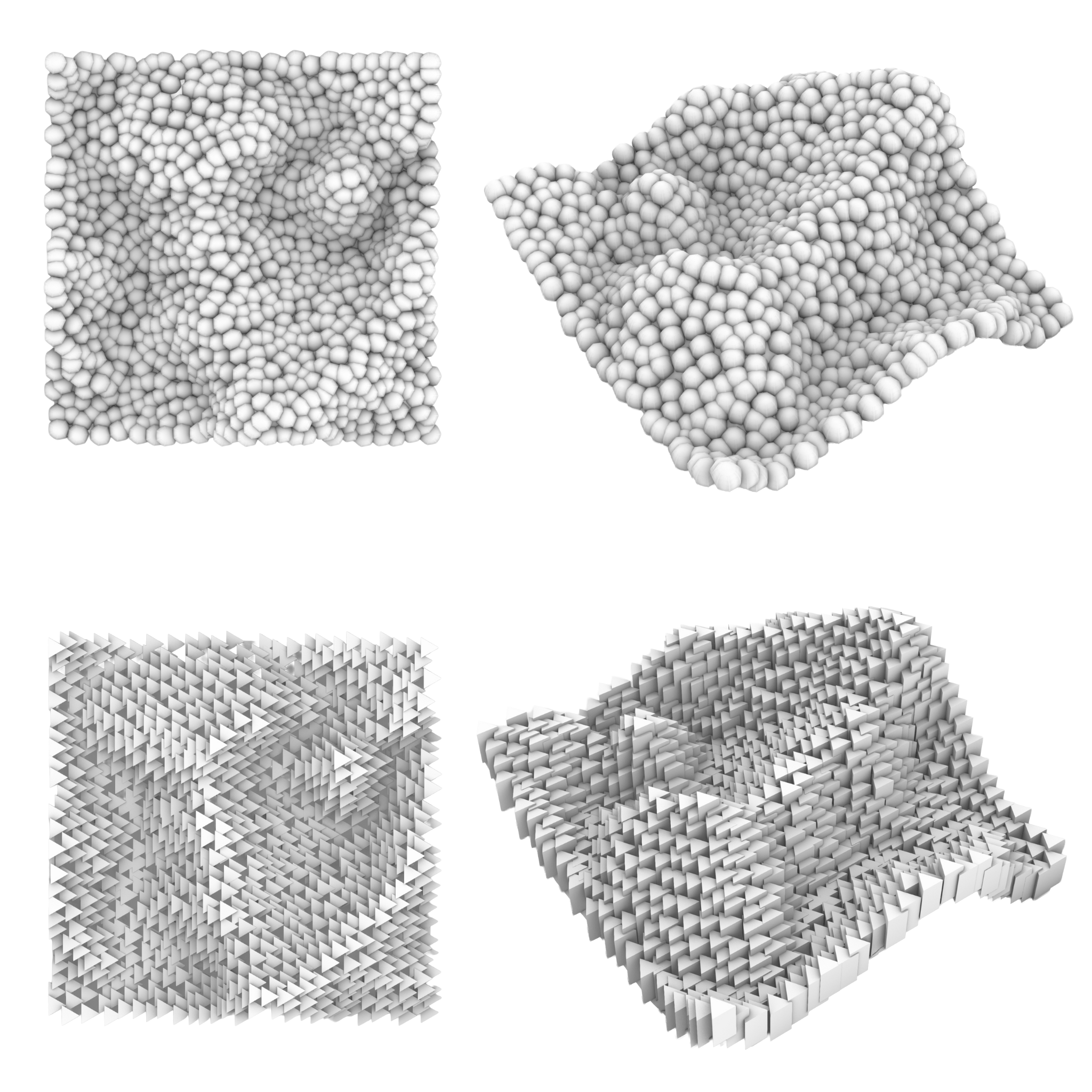
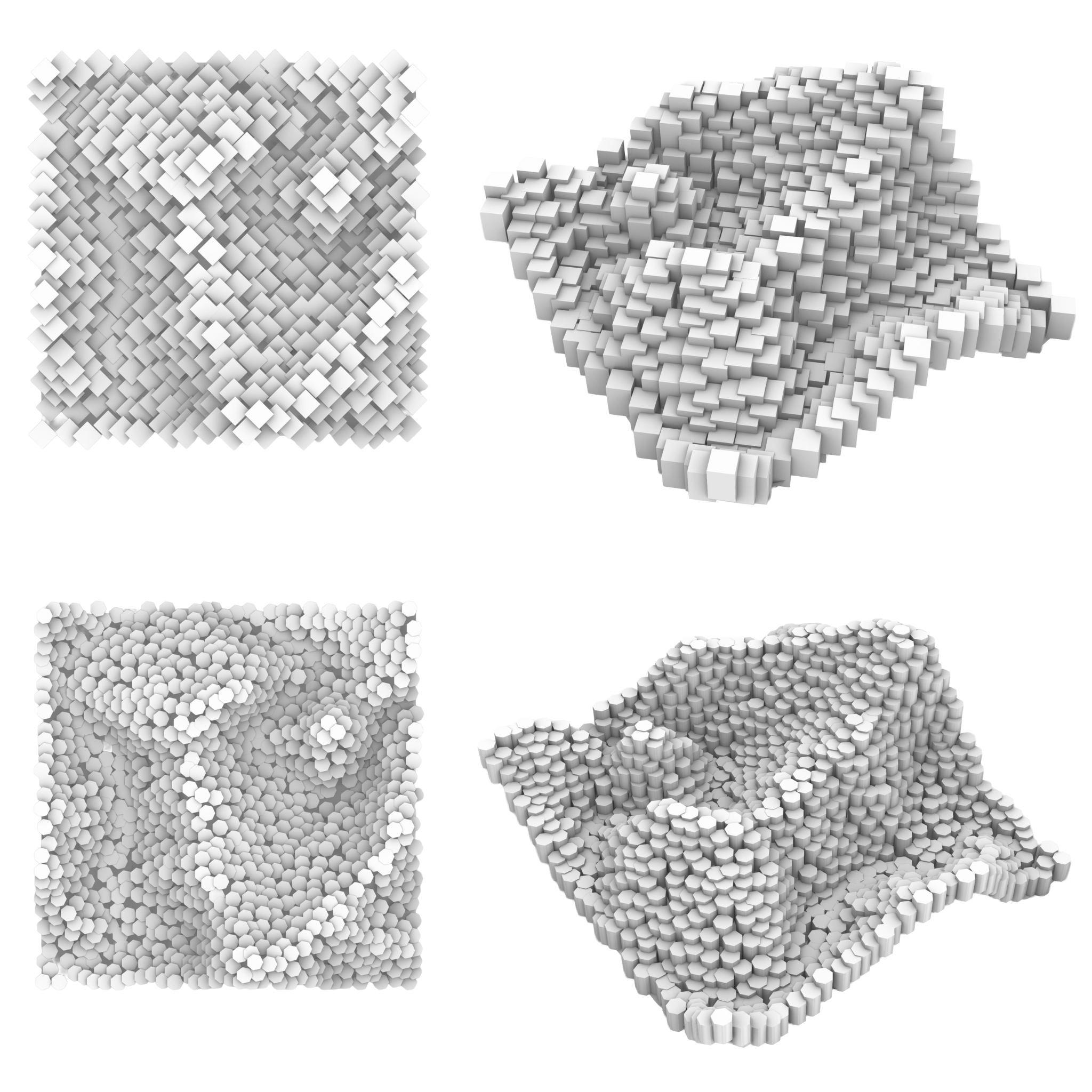
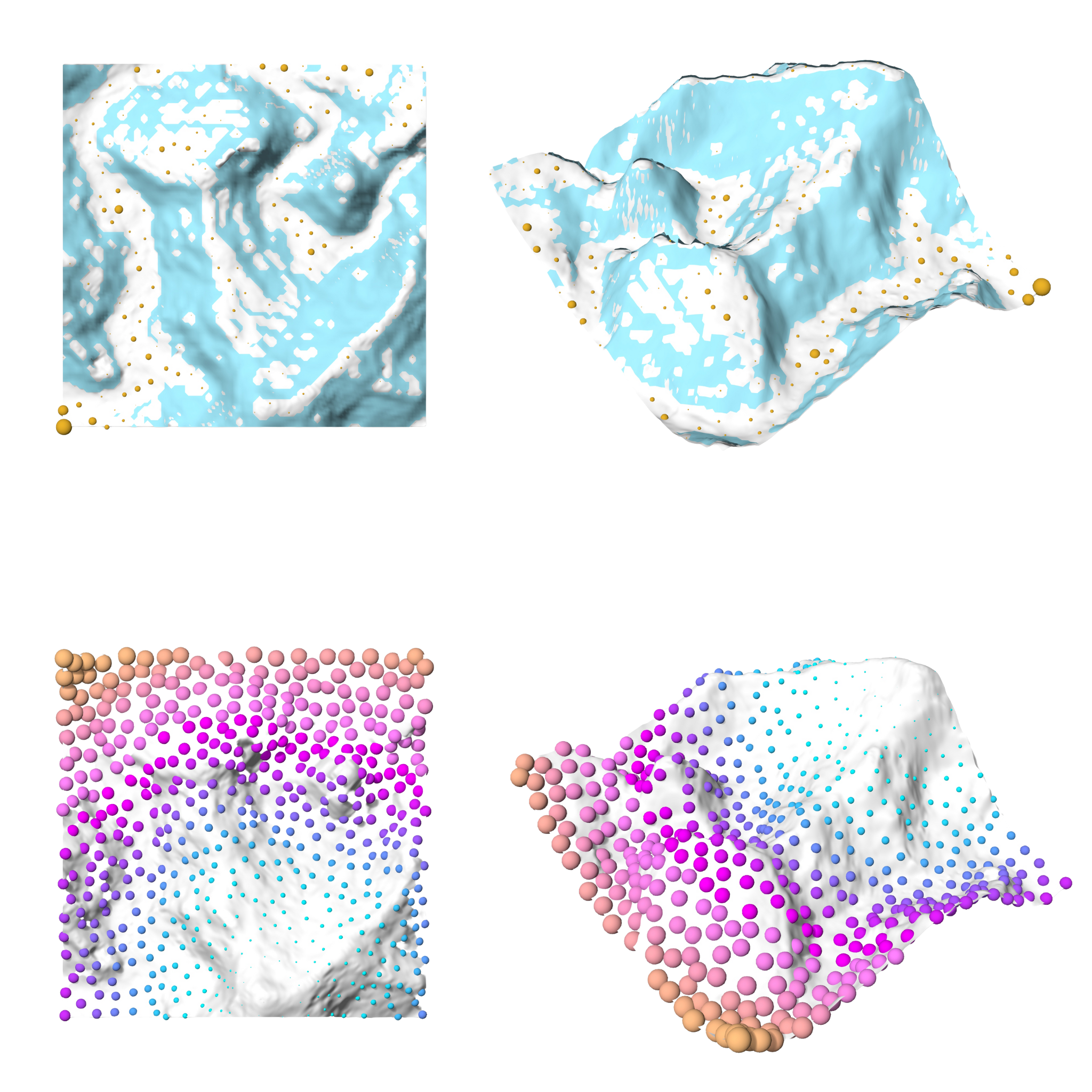
These diagrams show four evolutionary geometry tests applied to the landscape, each using a different base form spheres, triangles, squares, and heptagons. Every option translates the terrain into a unique three-dimensional field condition, allowing the algorithm to explore how different geometric logics reshape the topography. By varying the point count and radius for each geometry, the study examines how form, density, and distribution influence the landscape’s surface behavior. These iterations help identify which geometric language best responds to the site’s environmental conditions and supports further computational experimentation.
The final digital landscape model is shown alongside the CNC-milled version, highlighting how the rounded edges and softened forms evolve from the initial algorithmic design. This comparison demonstrates the precision and refinement achieved through computational modeling. The physical model, fabricated from CLT, closely mirrors the digital output and bridges the gap between virtual concept and tangible reality. Chia seeds were planted on the CNC model to observe how vegetation responds to the modified terrain, offering insights into ecological behavior and how natural systems adapt to designed landforms. This experiment reveals the dynamic relationship between computational intervention and living ecological processes.
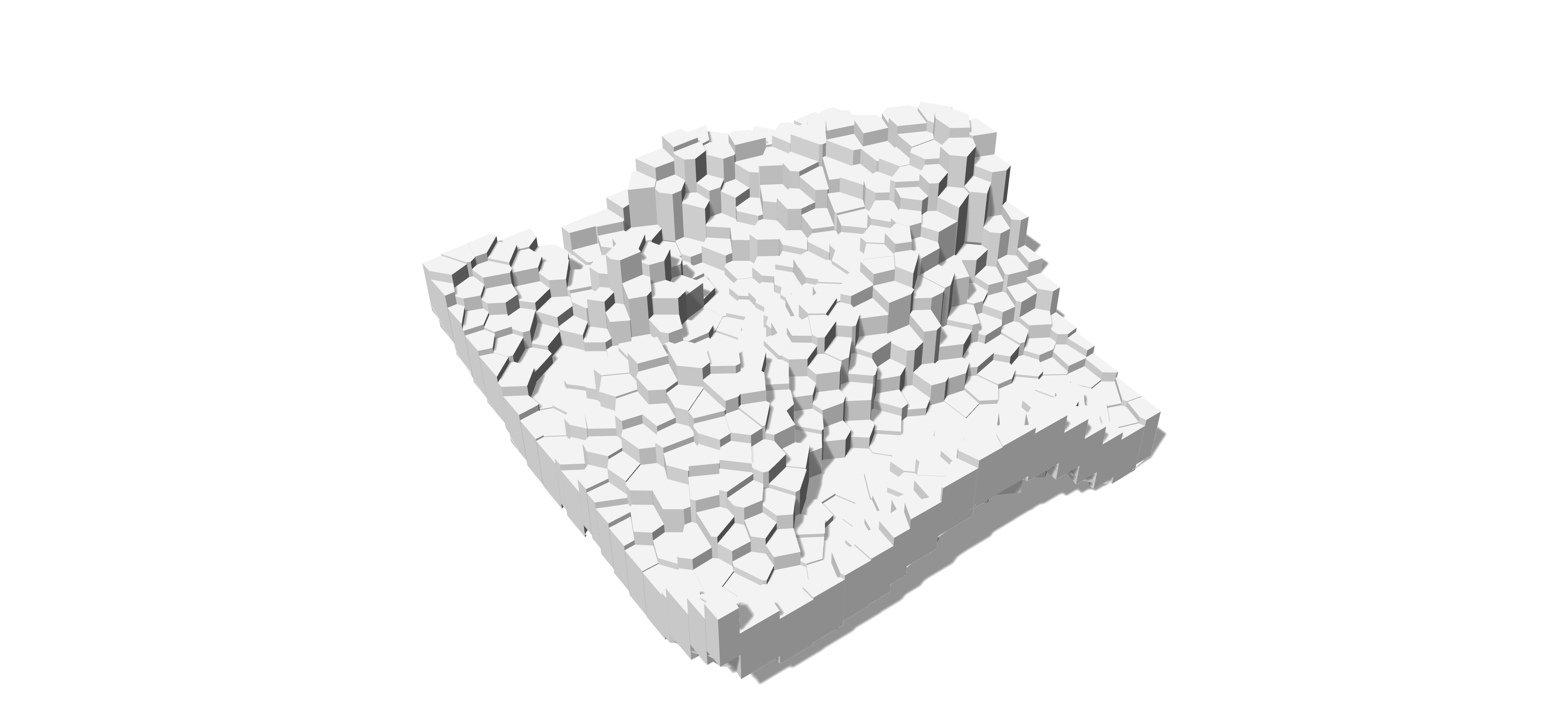
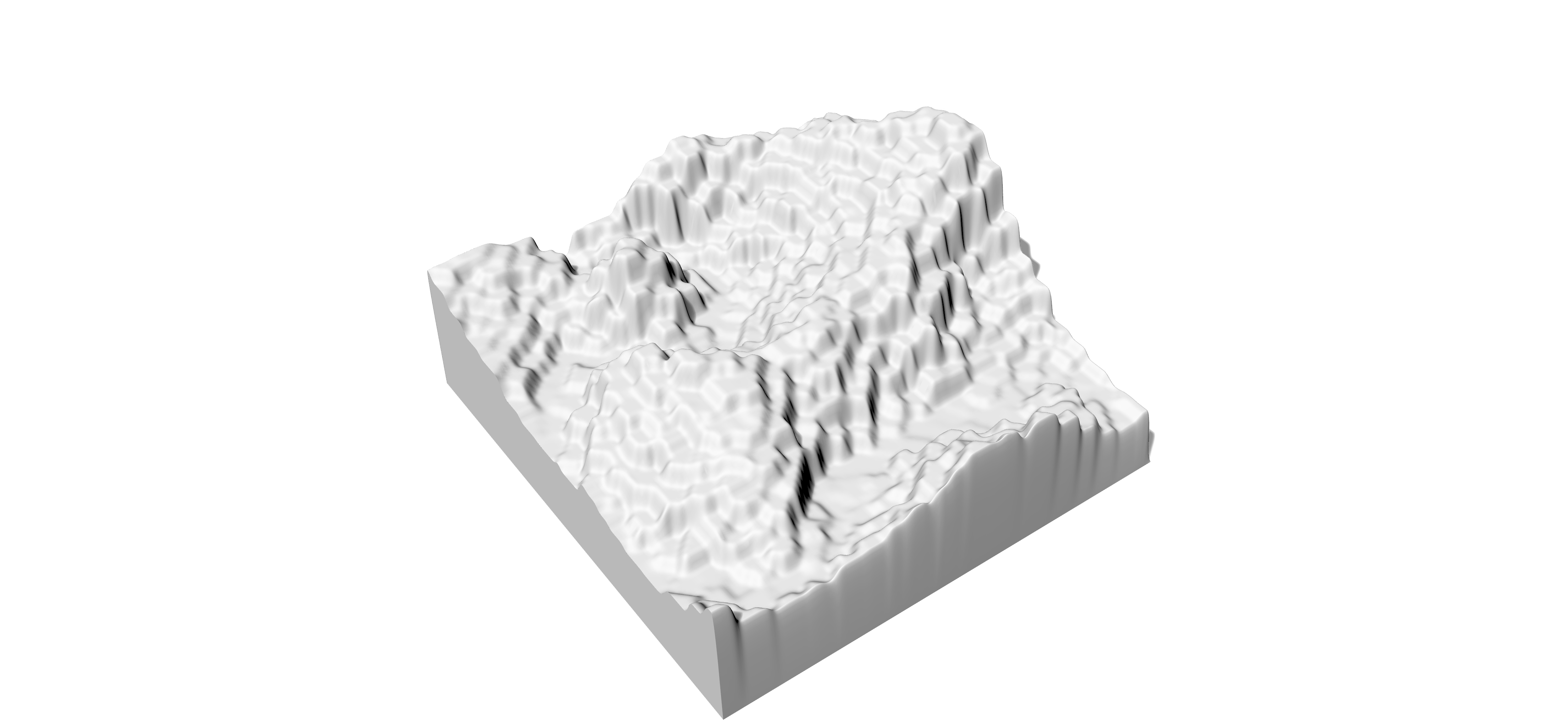
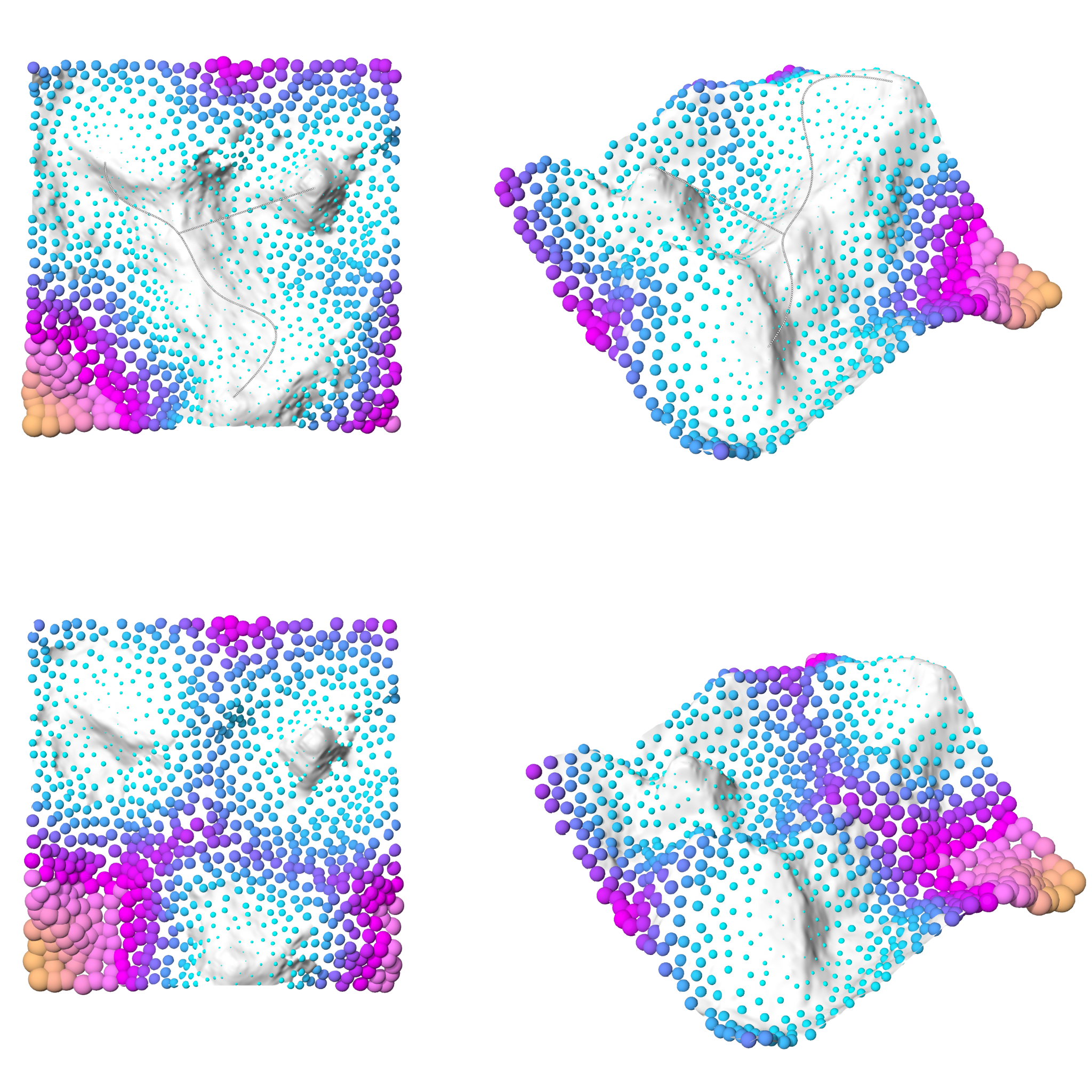
These diagrams illustrate how different attractor strategies influence the landscape geometry. Each method uses a distinct attractor logic slope mesh, multiple points, multiple curves with thresholds, and single points to generate variations across the terrain. These attractors pull, push, or redistribute points based on environmental or spatial inputs, creating unique patterns of density, height, and deformation. By testing multiple attractor types, the study reveals how computational forces can reshape the landscape and highlights which strategies produce the most responsive and compelling forms.
I’m always interested in thoughtful projects and conversations around design.
Reach out if you’d like to work together.
Selected projects exploring design across scales.

.jpg)